Why websites still matter at the top of the funnel
Written by Jon Price (JP)
I've been noticing a lot of noise about the so-called "end of the website." Every other article seems to be talking about zero-click search, AI answers replacing results, or products being pulled straight into chat interfaces and social feeds. It's true, the web is changing fast, and the way people find and interact with brands is changing with it.
But from where I sit, that doesn't mean websites are becoming less important. It just means their role is evolving.
The numbers are real, but the conclusion is wrong
Let's be honest about what's happening. Around 58.5% of US Google searches now end without a click to an external website. Google's AI Overviews appeared in over 13% of US desktop searches in March 2025, up from just 6.5% in January. Platforms like ChatGPT and Perplexity are adding another layer of friction between curiosity and a visit. The traffic patterns are real. GoodFirms MarTech
But here's what the traffic-obsessed narrative misses: demand didn't disappear. It moved. And when it moves far enough, people still want to check the source. SUCCESS
The home of trust
Even if discovery doesn't start on your website anymore, trust almost always ends up there.
You can build awareness on social, spark interest through search, and even close a sale inside a marketplace or chat platform. But at some point, people still want to check the source. They need a space that feels considered, confident, and credible. Somewhere that shows the brand behind the product.
That's what a website still does better than anything else. It's where the story comes together. Consumers are tired of brands that say one thing and do another. Visibility without substance backfires. A website is where you either earn that belief or lose it. Avaans Media
Discovery has changed, but curiosity hasn't
AI search doesn't behave like a traditional results page. There's no fixed ranking, no stable page one. Visibility moves according to signals that update in real time. Shopify and others are already testing ways for products to appear directly inside AI search results, so you can see, compare and buy without ever leaving the platform. It's smart, seamless and convenient. But it also takes away something brands have always relied on: context. AirOps
A website is where a brand gets to tell its story in full. The tone of voice, the visual content, the design, the copy, all working together to say "this is us, this is why you should believe in us." It's where you have control over how people see you, rather than leaving it to whatever the algorithm decides to surface.
So yes, discovery may happen elsewhere first. But curiosity still needs somewhere to land.
The shop window still matters
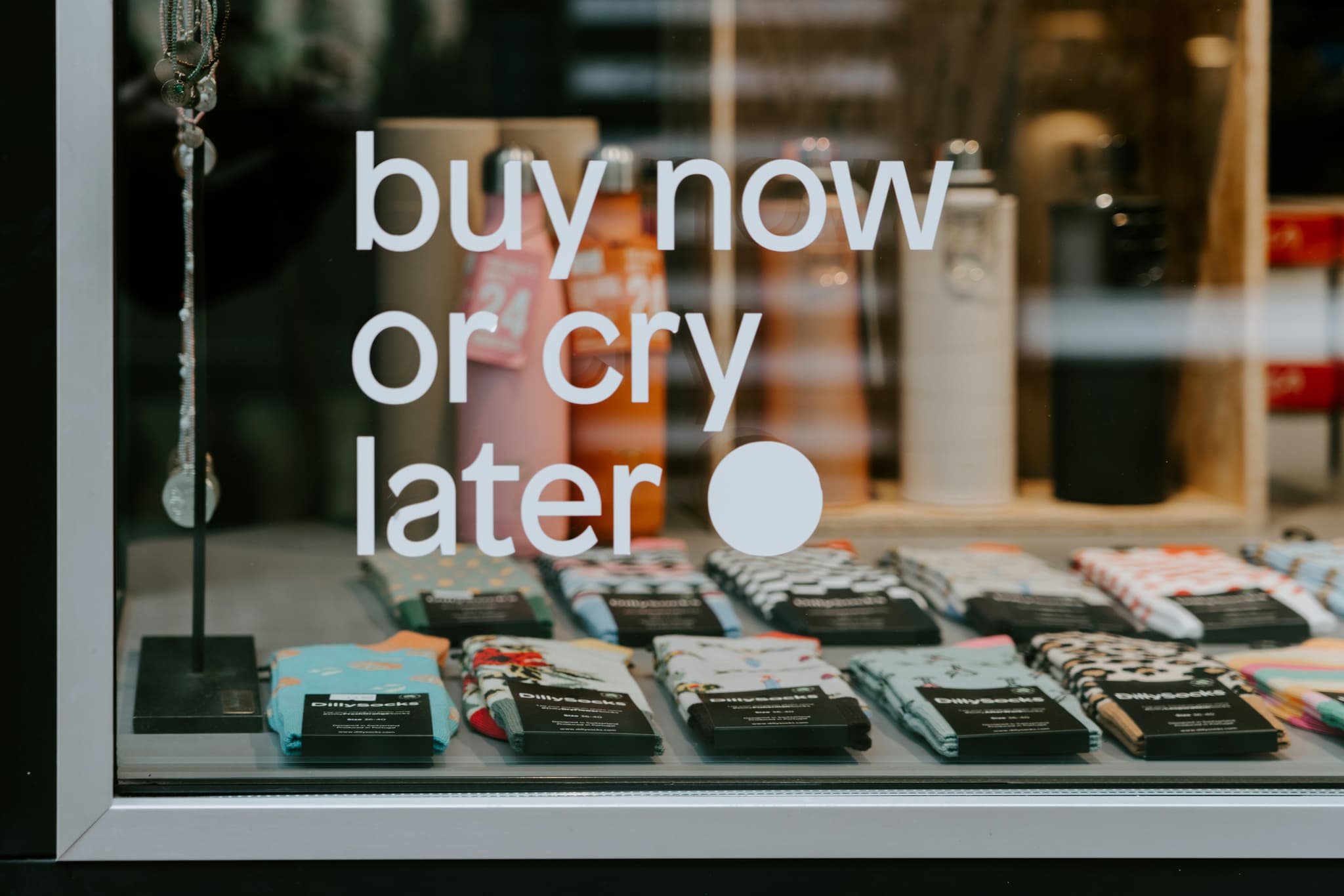
Think of your website as your brand's digital shop window. It might not be where every transaction happens anymore, but it's still where people go to decide if they trust you.
When someone lands on your site, they're asking silent questions. Does this feel real? Do they know what they're doing? Does this brand reflect me?
If the answer is yes, everything else works harder. Your paid media, your SEO, your social content all pull in the same direction. If it's no, then even the best-performing ad in the world can't fix the doubt that follows.
Consumers now reward clarity over cleverness, consistency over novelty, and confidence over persuasion. If your brand feels like a risk, it doesn't even make it into the consideration set. Icertias
This is territory we work in constantly at IMA. Some briefs start from brand storytelling, defining what a brand feels like digitally before a single wireframe is drawn. Others balance emotion with practicality, building experiences that look premium but still convert cleanly for repeat purchase. And some clients don't sell online at all, using their website purely as a credibility platform for products found on shelves or in store. Different briefs, but all the same real goal: create a digital space that earns trust and makes the brand more buyable.
From transaction to experience
For years, websites were judged on conversion rates. How many people clicked, bought, or signed up. But that thinking belongs to a different time.
Today, the best websites work as part of the total brand experience. They give shape and voice to everything else happening around the funnel. They bring consistency. They reassure. They move people from "I'm interested" to "I believe this brand is worth it."
A great website acts like a conversation. It doesn't demand attention, it earns it. It tells you what matters, shows you why it's different, and makes you want to stay connected, even if the sale happens or is attributed somewhere else.
The future will evolve, but trust won't
AI will change how we discover, compare and shop. AI Overviews went mainstream in 2025, and Google reinforced E-E-A-T as a core signal, emphasising human expertise over scaled AI content. In other words, the machines are being trained to look for the same things people already look for: credibility, consistency, and a source worth trusting. AirOps
Platforms will continue making experiences more seamless, and zero-click results will only grow. But people will still want to check the source. They'll still want that moment of reassurance that comes from seeing a brand's own space, a place that feels authentic, designed, and deliberate.
That's the work we focus on at IMA, helping brands show up in a way that earns belief, not just attention. Because in a landscape where discovery is increasingly out of your hands, your owned space matters more than ever.
Websites still matter at the top of the funnel. They're not the only part of the journey anymore, but they're still the most believable one.
Because in the end, a website isn't just about conversion. It's about conviction.
Written by
Jon Price